 آموزش و جزوات زبان انگلیسی یادگیری زبان انگلیسی با جدیدترین مقالات و کتاب ها
مطالب مشابه



Tourism can create wonderful opportunities. It allows people to discover new countries, learn about different cultures, support local businesses, and experience natural landscapes. However, tourism can also create pressure on the environment and local communities when it is poorly managed.
Responsible tourism is an approach to travel that asks a simple question: How can we enjoy a destination while taking responsibility for the effects our visit has on people, culture, nature, and the local economy?
Responsible tourism focuses on reducing negative economic, environmental, and social impacts while increasing the benefits of tourism for local communities.
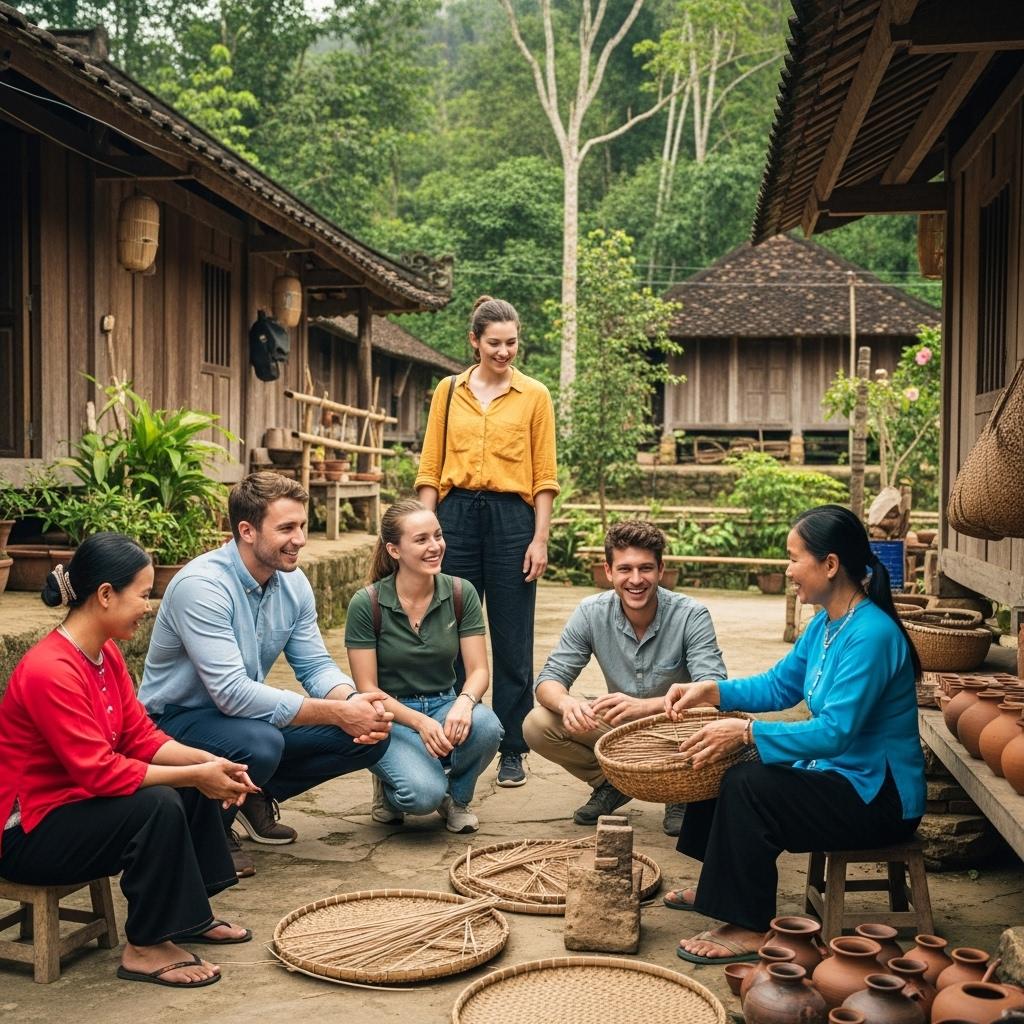
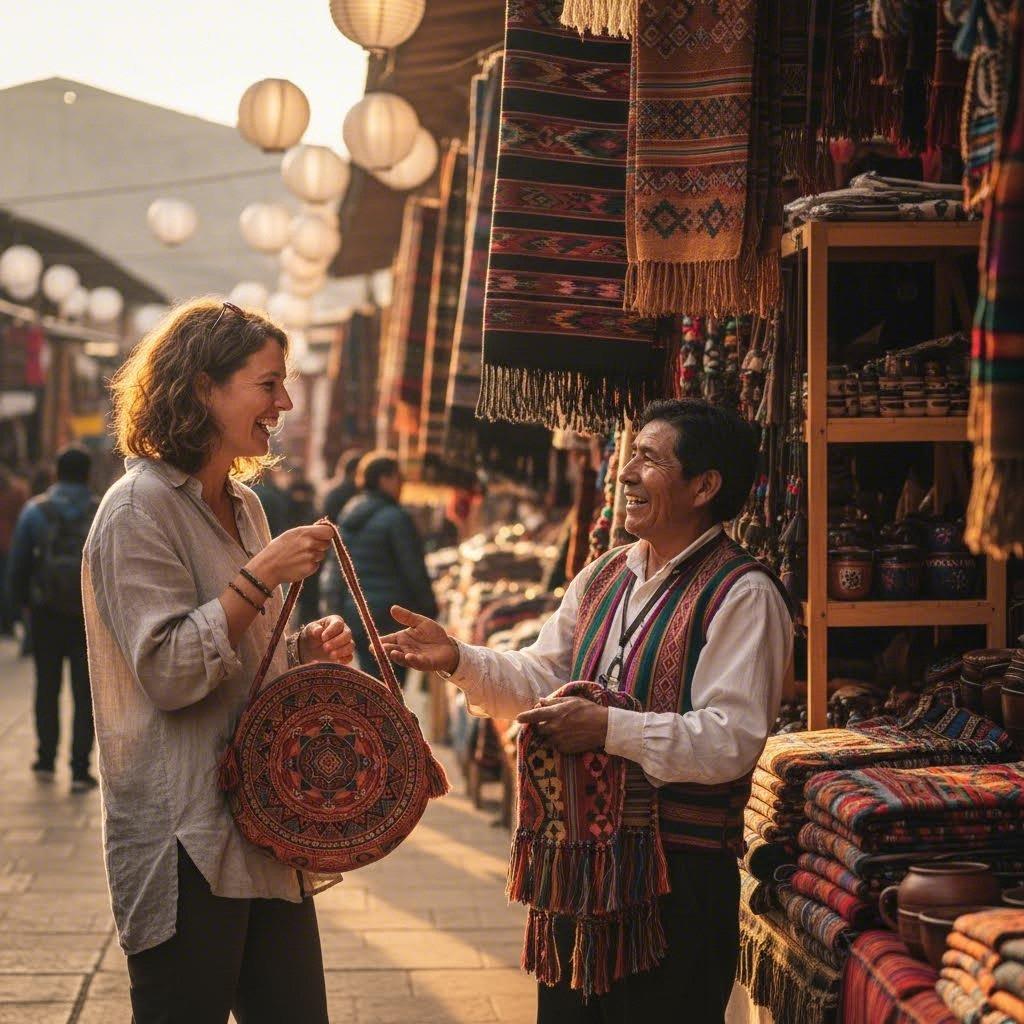
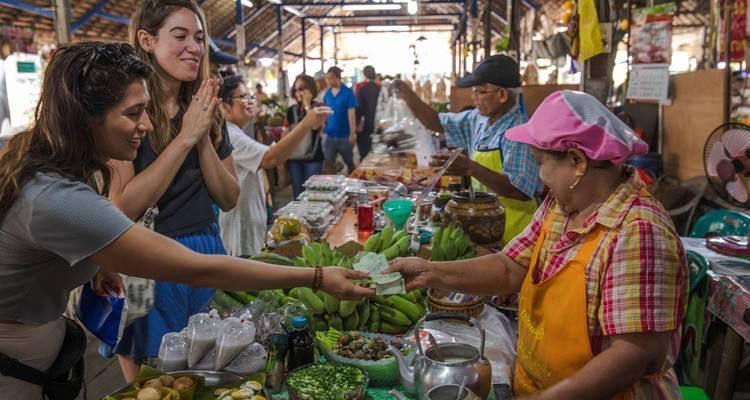
It encourages tourists to respect local traditions, protect wildlife, and keep natural areas clean. Visitors can also support local businesses by buying handmade products, eating at local restaurants, and choosing locally owned hotels. These actions help local people earn money and improve their quality of life.
Furthermore, responsible tourists should avoid wasting water and electricity, reduce plastic waste, and use public transport whenever possible. By making thoughtful choices, travellers can help protect destinations for future generations.
In conclusion, responsible tourism means enjoying the world while caring for its people, culture, and environment. Every traveller can make a positive difference through small but meaningful actions.
What Does Responsible Tourism Mean✅
Responsible tourism is not simply about staying in an environmentally friendly hotel or avoiding plastic bottles. It is about making thoughtful decisions throughout a trip.
A responsible traveler considers:
✅How their money benefits the local economy
✅ How their behavior affects local people
✅ How much waste and pollution they create
✅ Whether their activities damage wildlife or natural environments
✅ Whether they respect local customs and traditions
✅ Whether local communities have a voice in tourism development
✅ Responsibility does not belong only to tourists. Governments, hotels, tour operators, airlines, restaurants, local communities, and tourism businesses all have important roles to play.
Protecting the Environment
One of the most important parts of responsible tourism is reducing environmental damage.
Tourism can put pressure on water supplies, landscapes, wildlife, forests, and other natural resources. Large numbers of visitors can also create waste and pollution.
Responsible travelers can reduce their impact by:
- Avoiding unnecessary single-use plastic
- Carrying reusable water bottles and bags
- Saving water and electricity in hotels
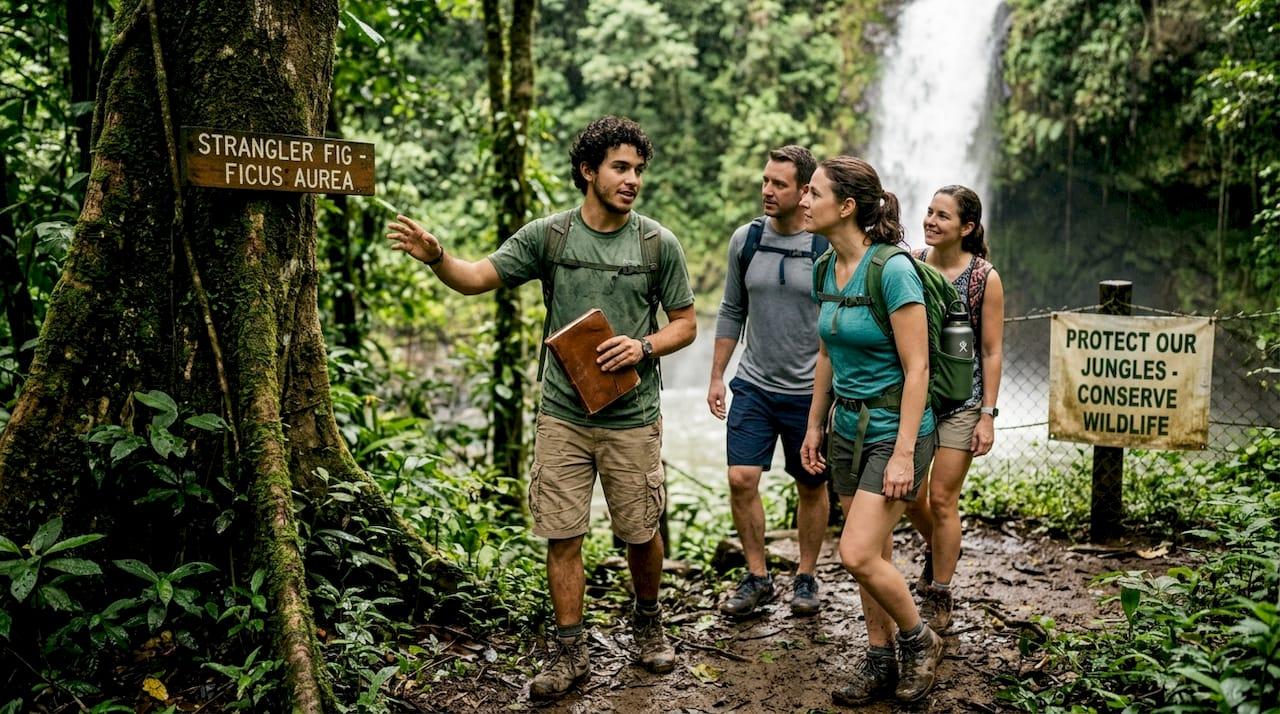
- Staying on marked hiking trails
- Using public transportation when practical
- Avoiding activities that harm wildlife
- Taking rubbish with them
- Respecting protected areas and national parks
Responsible tourism encourages travelers to enjoy nature while helping to protect it for future generations.
Supporting Local Communities✅
Tourism can create employment and income, but the economic benefits are not always distributed equally.
A responsible traveler can deliberately support local businesses. Instead of always choosing international chains, travelers can consider:
- Locally owned guesthouses
- Local restaurants
- Local guides
- Small family businesses
- Local transportation providers
- Traditional craft producers
- Community-based tourism projects
Buying a handmade product directly from a local artisan, for example, can provide income while also helping maintain traditional skills.
When tourists spend their money locally, more of the economic benefit can remain within the destination.
Respecting Local Culture✅
Travel is also an opportunity to learn.
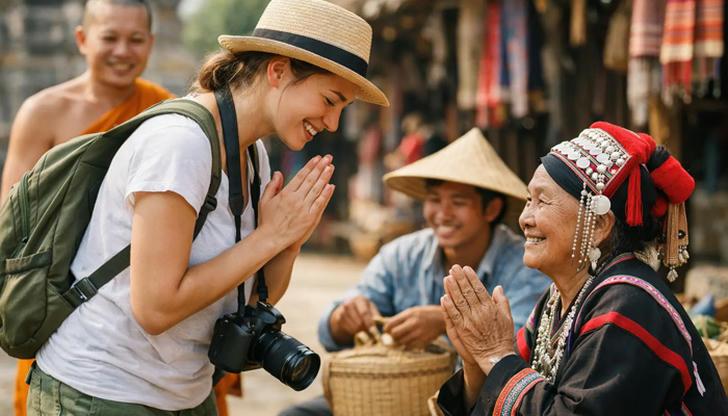
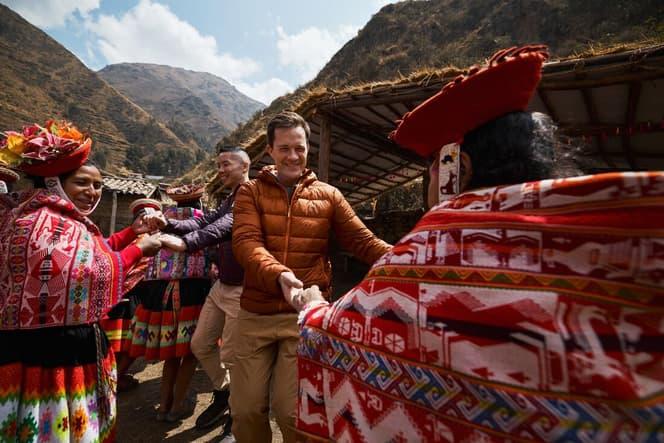
Every destination has its own customs, traditions, languages, religious practices, food, clothing, and social expectations. Responsible tourists do not expect every destination to behave exactly like their home country.
Before traveling, it is useful to learn a little about local customs.
For example, a responsible visitor might:
✅ Dress appropriately at religious or traditional sites
✅ Ask permission before photographing people
✅Learn a few words in the local language
✅ Follow local rules
✅ Respect religious traditions
✅ Avoid making jokes about cultural practices
✅ Listen to local people
✅ Respect traditional buildings and cultural sites
Responsible tourism can therefore become a form of cultural exchange. Visitors learn about local communities, while residents have the opportunity to share their traditions on their own terms.
Responsible Wildlife Tourism✅
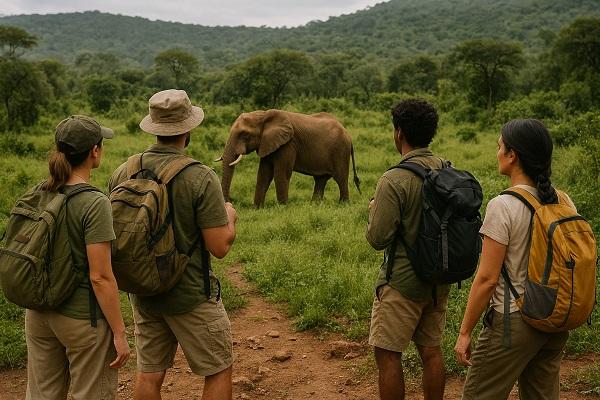
Seeing animals in their natural environment can be one of the most memorable travel experiences. However, wildlife tourism needs to be carefully managed.
Tourists should avoid activities that encourage animals to suffer, become dependent on humans, or live in unsuitable conditions.
Responsible wildlife tourism generally means observing animals without disturbing them.
Visitors should:
✅ Keep a safe distance from wildlife
✅ Never feed wild animals unless authorized
✅ Avoid touching wild animals
✅ Follow park and guide instructions
✅ Choose reputable wildlife-tourism operators
✅ Never remove plants, rocks, shells, or other natural objects
Well-managed nature tourism can also provide financial support for conservation and create employment for people living near protected areas.
Reducing Waste✅
Tourism produces significant amounts of waste, particularly in busy destinations.
Travelers can make relatively simple changes. Carrying a reusable bottle, refusing unnecessary packaging, using refill stations where available, and disposing of rubbish properly can all help.
Hotels can also contribute by reducing food waste, recycling materials, improving energy efficiency, and managing water responsibly.
Responsible tourism does not require perfection. Small decisions repeated by millions of travelers can make a meaningful difference.
Choosing Responsible Transportation✅
Transportation is an important part of a traveler’s environmental footprint.
When practical, travelers can consider trains, buses, walking, cycling, or shared transportation instead of using private vehicles for every journey.
Once at a destination, walking or cycling can also provide a better opportunity to experience local neighborhoods.
However, responsible tourism is not about saying that there is only one correct way to travel. Different destinations have different transportation systems and geographical realities.
The aim is to make informed choices and reduce unnecessary environmental impacts where practical.
Why Does Responsible Tourism Matter✅
Responsible tourism matters because destinations are not simply products for visitors. They are places where people live, work, study, worship, raise families, and build communities.
Tourism can bring jobs, investment, cultural exchange, and conservation opportunities. However, poorly managed tourism can also contribute to overcrowding, environmental degradation, cultural pressure, and unequal distribution of economic benefits.
Responsible tourism encourages everyone involved in tourism to consider the long-term effects of their decisions.

Responsible Tourism vs. Sustainable Tourism
The terms responsible tourism and sustainable tourism are closely connected, but they are not always used in exactly the same way.
Sustainable tourism generally focuses on ensuring that tourism can continue without damaging the environmental, social, and economic resources needed in the future.
Responsible tourism places stronger emphasis on who takes responsibility for the effects of tourism and what actions they take.
In simple terms, sustainability describes an important long-term goal, while responsible tourism emphasizes practical responsibility among tourists, businesses, governments, and communities.
How Can You Become a Responsible Tourist
You do not need to completely change your style of travel.
Start with a few simple habits.
Before Your Trip
- Research the destination.
- Learn about local customs.
- Choose responsible accommodation and tour operators.
- Consider how you will travel around the destination.
During Your Trip
- Spend money with local businesses.
- Respect local people and traditions.
- Reduce waste.
- Save water and energy.
- Protect wildlife and nature.
- Ask permission before photographing people.
- Follow local laws and regulations.
After Your Trip✅
- Share accurate information about the destination.
- Recommend responsible local businesses.
- Think about the environmental and social effects of your journey.
- Encourage other travelers to respect local communities.
Conclusion✅
Responsible tourism is ultimately about respect and responsibility.
It means enjoying the world without forgetting the people who call these places home. It means recognizing that beautiful landscapes, historic buildings, wildlife, traditional cultures, and local communities have value beyond their usefulness to tourists.
A responsible traveler does not have to be perfect. The goal is to make better-informed choices: support local people, respect cultures, protect nature, reduce waste, and consider the consequences of tourism.
When travelers, communities, businesses, and governments work together, tourism can become more than a way of visiting a place. It can become a way of learning, connecting, protecting, and contributing.